Disclosure: This article contains affiliate links. If you purchase through these links, PetGlen may earn a small commission at no extra cost to you.
If it feels like pet hair suddenly takes over your home every spring, you’re not imagining it. Spring is the peak shedding season for many pets — and while it’s usually normal, it can feel overwhelming without the right approach.
Understanding why pets shed more in spring helps you manage it calmly, protect your pet’s skin and coat, and keep shedding under control before it becomes stressful.
Why Spring Triggers Heavy Shedding in Pets
Longer daylight hours
As days get longer, pets naturally respond to increased daylight. Their bodies receive signals to shed the thick winter coat that helped keep them warm.
Temperature changes
Rising temperatures mean pets no longer need dense insulation. Shedding allows a lighter, more breathable coat to grow in.
Coat renewal cycle
Spring shedding isn’t hair loss — it’s coat renewal. Old, damaged hair is released to make room for healthier growth.
This process affects:
- Dogs
- Cats
- Horses
- Some small mammals
Even indoor pets may shed more during spring due to changes in light exposure.
Dogs vs Cats: How Spring Shedding Differs
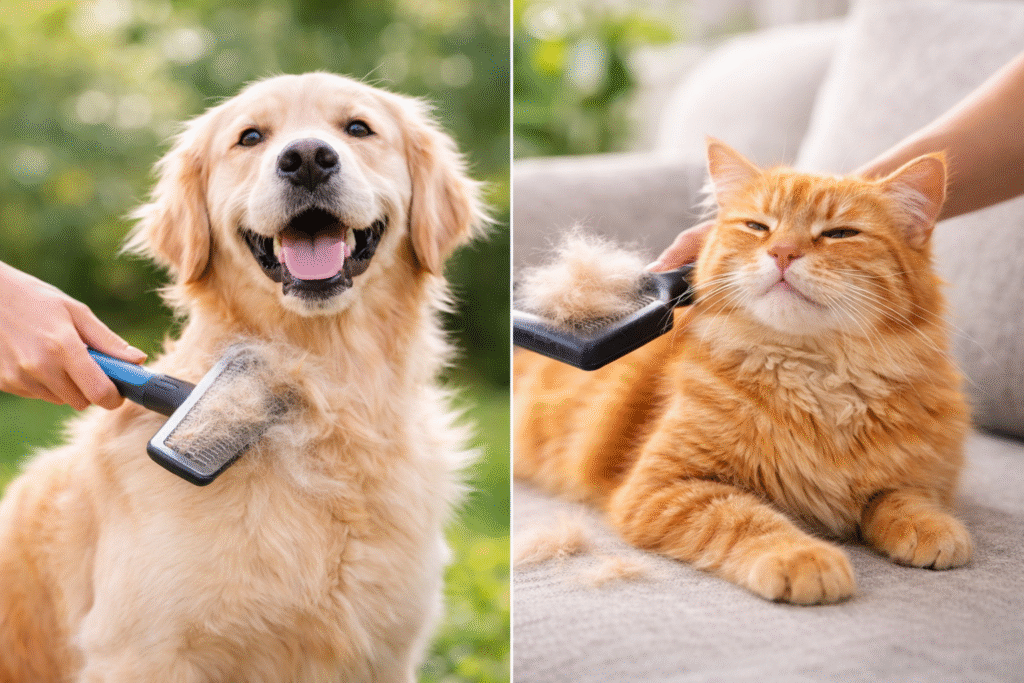
Dogs
- Double-coated breeds shed heavily in spring (unlike single-coated breeds such as Poodles or Maltese, which don’t “blow” their coats the same way)
- Shedding often comes out in clumps
- Regular grooming dramatically reduces loose hair
Cats
- Indoor cats shed more than many owners expect
- Shedding can contribute to hairballs if not managed
- Gentle, consistent brushing is key
Both dogs and cats benefit most from routine grooming, not aggressive brushing.
Signs Spring Shedding Is Normal (And When It’s Not)
Normal spring shedding includes:
- Increased loose hair during brushing
- Seasonal coat thinning
- Mild increase in dander
Shedding that may need attention:
- Bald patches
- Red or irritated skin
- Excessive scratching
- Sudden hair loss outside seasonal change
Excessive shedding may indicate an underlying health issue and should be discussed with a veterinarian.
What You Can Do to Manage Spring Shedding
The goal isn’t to stop shedding — it’s to control loose hair before it spreads throughout your home.
1. Start with gentle daily grooming
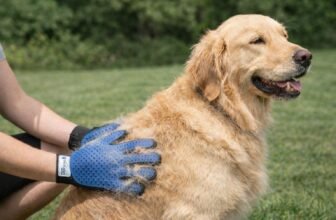
Daily grooming removes loose fur before it ends up on furniture or floors. For sensitive pets or first-time grooming, glove-style tools work especially well because they mimic natural petting.
A gentle option many pet owners prefer is a grooming glove designed to remove loose fur while keeping pets calm.
This type of grooming can help:
- Reduce loose hair
- Improve circulation
- Keep pets relaxed during grooming
2. Use targeted brushing to remove trapped fur
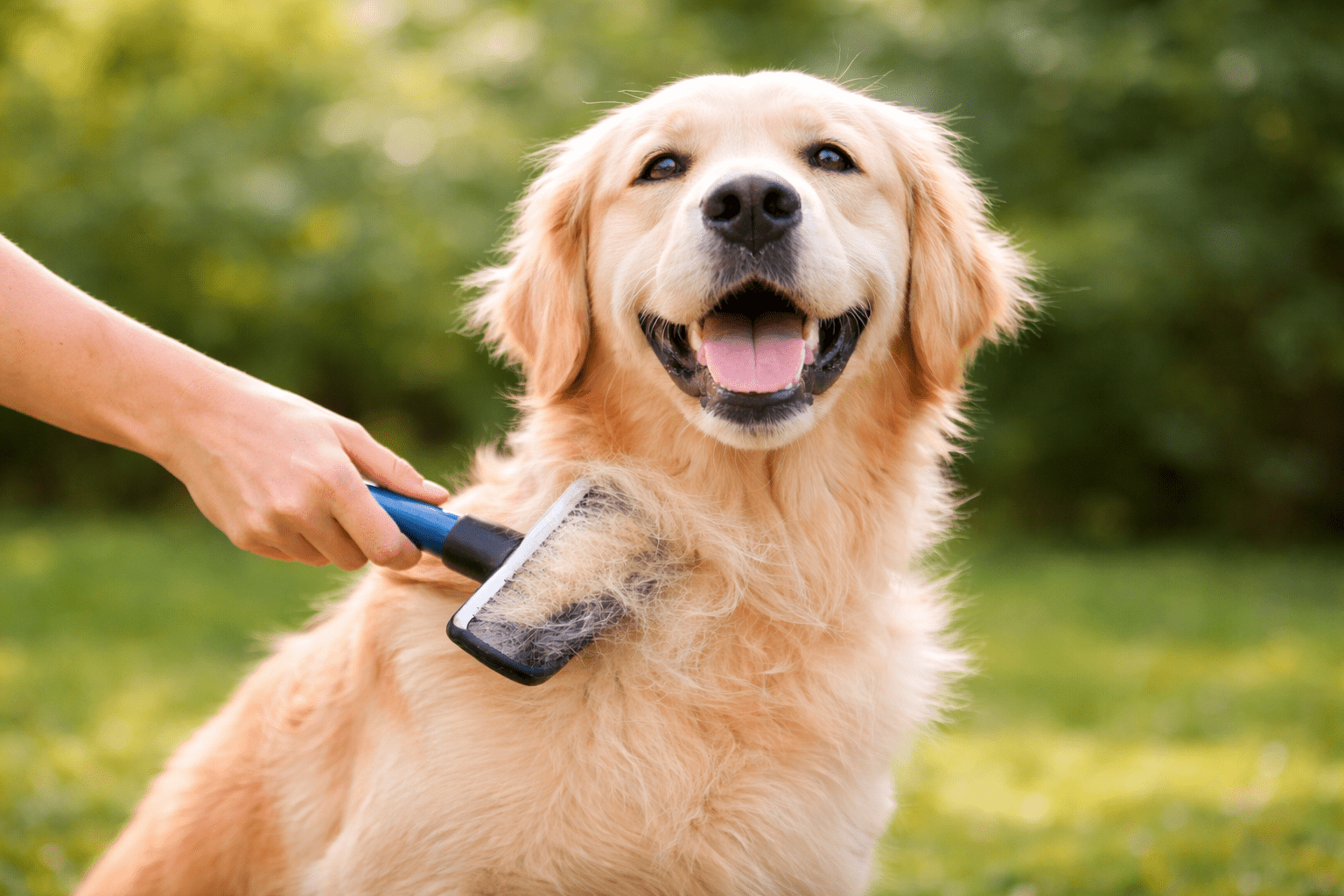
As shedding increases, light grooming alone may not be enough. A dedicated brush helps lift loose hair from the coat without pulling or scratching.
Many owners find a self-cleaning brush that helps lift loose hair especially convenient during spring shedding:
This is especially useful for:
- Indoor cats
- Dogs with medium to long coats
- Owners grooming multiple times per week
3. When shedding feels unmanageable
Some households experience extreme spring shedding, particularly those with multiple pets or heavy shedders. In these cases, capturing loose hair during grooming can make cleanup far easier.
For peak shedding periods, some owners choose a high-capacity grooming vacuum designed for heavy shedding:
This approach helps:
- Collect loose hair immediately
- Reduce hair buildup on furniture and floors
- Limit airborne dander during grooming
It’s best suited for peak shedding periods rather than everyday use.
How Grooming Helps With Seasonal Allergies
If your pet struggles with itching, sneezing, or allergy flare-ups during spring, you may also find this helpful:
👉 Read more: Pet Allergy Season — How Spring Shedding Can Make Symptoms Worse
Loose fur traps pollen, dust, and other environmental allergens. As shedding increases, these allergens spread more easily throughout the home.
Regular grooming helps reduce allergen buildup on your pet’s coat and in your living space, making spring more comfortable for both pets and owners.
Build a Consistent Grooming Routine
Consistency matters more than intensity.
A simple spring routine:
- Light grooming daily or every other day
- Deeper brushing 2–3 times per week
- Increased frequency during peak shedding weeks
A consistent grooming routine makes spring shedding far more manageable over time.
Final Thoughts
Spring shedding is normal, predictable, and manageable with the right approach. By understanding why it happens and choosing grooming methods that match your pet’s needs, you can keep coats healthy and homes cleaner — without stress.
With calm, consistent care, shedding season becomes just another part of your pet’s natural cycle.